The Missing Piece: Why Recovery Housing Matters in Rural California

When someone finishes residential treatment, the hardest question they face is not "what did you learn?" It's "where are you going to sleep tonight?"
In cities like Los Angeles or Sacramento there is usually an answer, even if it's an imperfect one. Sober living homes, transitional housing, and recovery residences exist in enough numbers that a discharge plan can include a real address. In much of rural California, that answer simply does not exist.
The gap nobody budgets for
Treatment systems are built around levels of care. Detox, residential, outpatient. What happens between and after those levels falls into a gap. Having a safe place to live while you rebuild your life is not a billable service in most cases. It is not covered the way clinical treatment is. And in small communities, the economics of running a recovery residence rarely work for a private operator.
Anyone working in rural behavioral health knows the pattern that follows. A person does the hard work of early recovery, completes their program, and then gets referred out of town, sometimes hours away, simply because there is nowhere local for them to live. They leave behind the counselors who know them, the peer community they built in treatment, their job leads, their family. Research on recovery keeps pointing to the same two predictors of long-term success: stable housing and social connection. We routinely take both away from people at the exact moment they need them most.
For people who want to stay in their community, "there's no housing here" should not be the reason they can't.
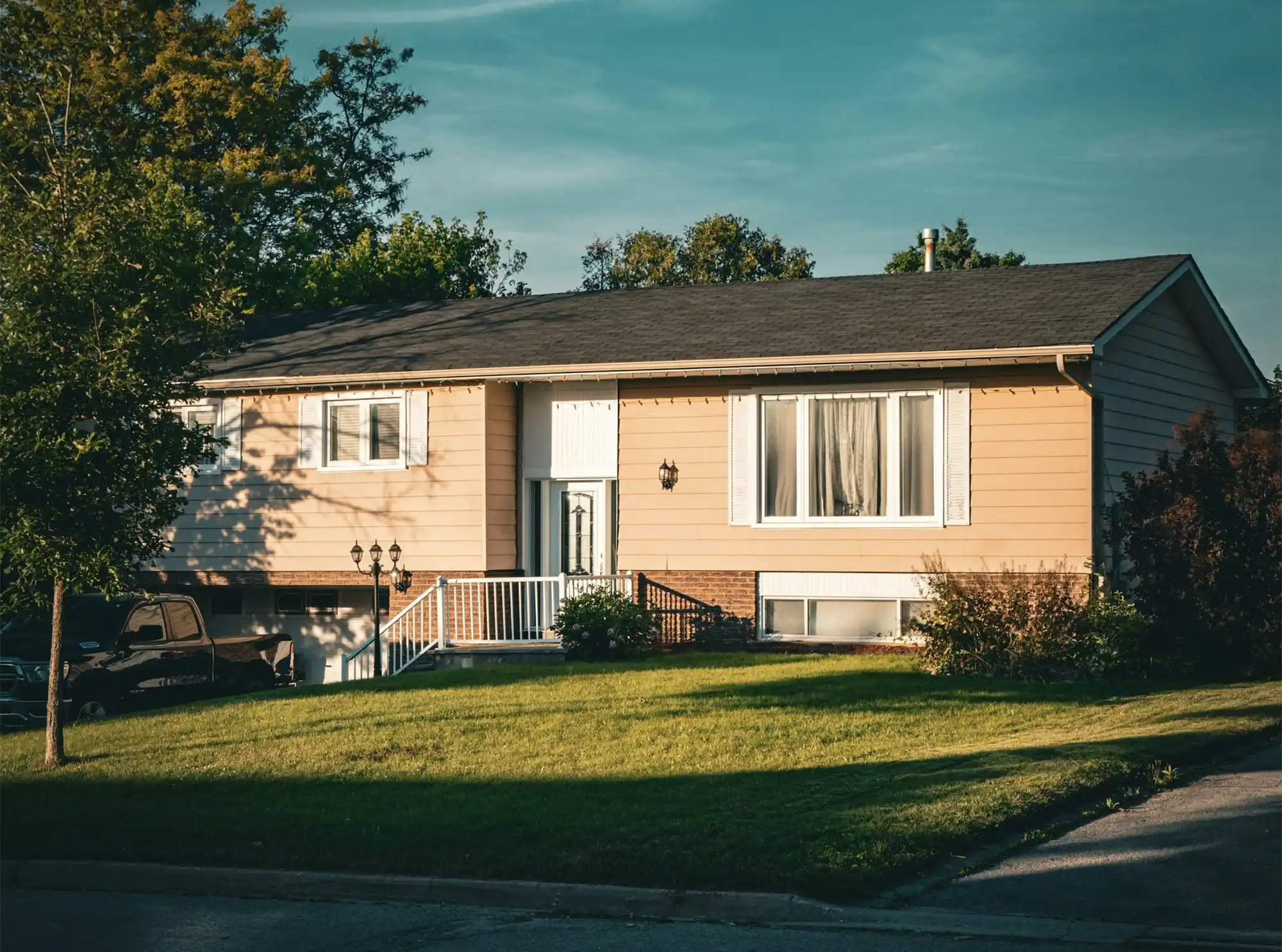
Why a nonprofit, and why now
This is the problem New Hope Recovery Fund exists to work on. Recovery housing and the practical supports around it, like peer services and transportation, are exactly the kinds of things that grant funding and charitable support can sustain in places where fee-for-service economics cannot.
We are deliberate about how we approach it, because the way these projects fail is well known. A startup grant expires, the mortgage does not, and residents end up with an eviction notice instead of a foundation. So sustainability is our design requirement from day one. That means conservative planning, diversified funding, and a commitment to never open a door we can't keep open.
We also believe recovery housing has to be done ethically. The sober living industry has earned real skepticism in parts of California, and the people who pay the price for bad operators are the residents. A recovery residence should be safe, dignified, honest about its rules and costs, and accountable to recognized standards. That belief is where this organization started, and it still shapes everything we do.
What community-rooted recovery looks like
Recovery does not happen in a facility. It happens in a town. At a job, at a meeting in a church basement, at a kitchen table with people pulling in the same direction. Small communities actually have real advantages here: tighter networks, familiar faces, fewer places to disappear. What they lack is infrastructure.
Building that infrastructure looks ordinary from the outside. A house with beds and house rules. A room where a peer group can meet. A ride to an appointment. But each of those things answers the "where do I go now?" question that decides whether the work of treatment holds.

How you can help
New Hope Recovery Fund is in the early stages of this work, and early support matters most. If you are a funder interested in rural recovery infrastructure, a community member with time or skills to offer, or an organization that shares this mission, we would love to hear from you.
Everyone in recovery deserves a next step that doesn't require leaving home to take it.
Help us build recovery housing in rural California
New Hope Recovery Fund is a 501(c)(3) nonprofit organization supporting recovery housing and related recovery services in underserved California communities.